
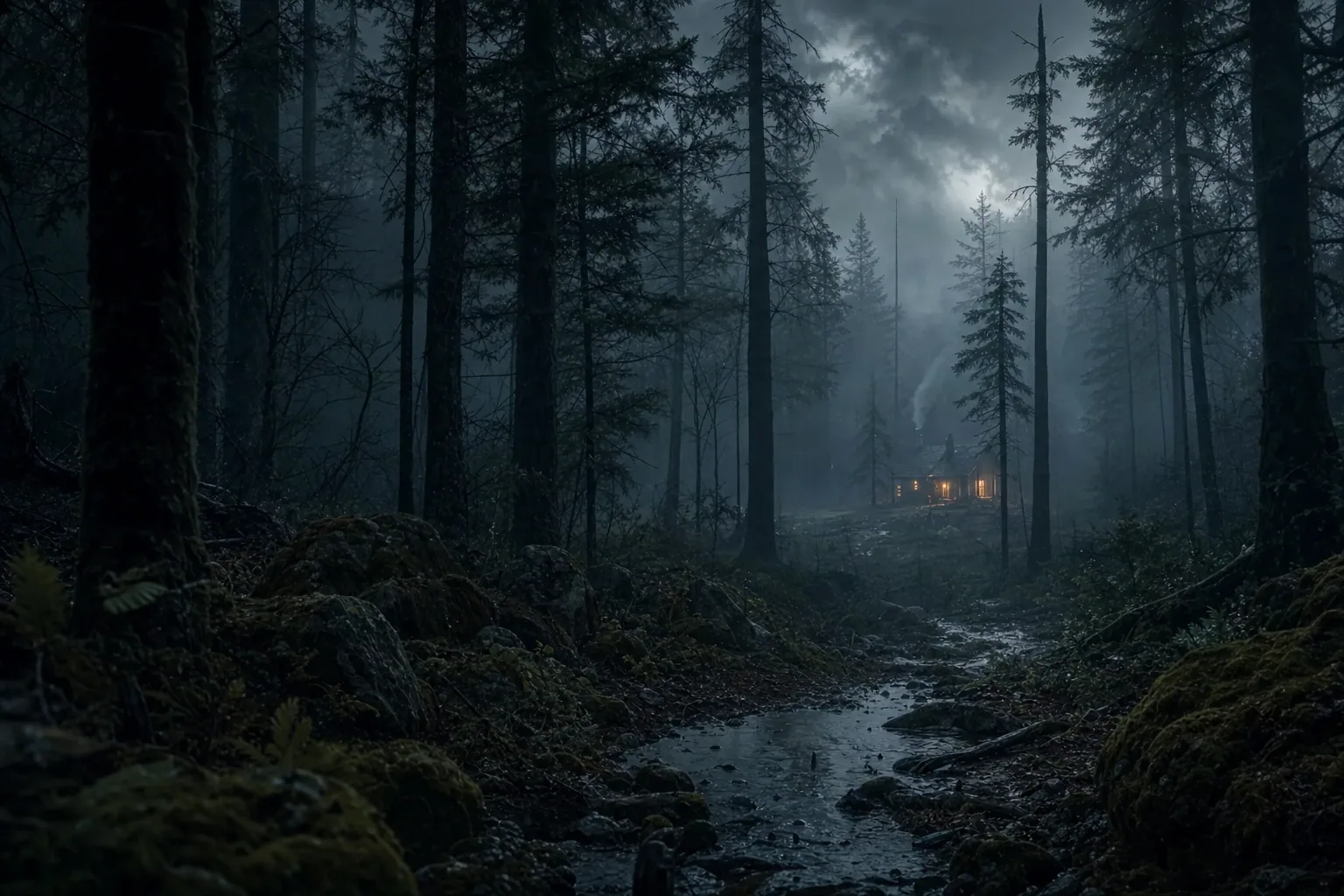
Forests have long held a special place in storytelling. There's something about the isolation, the darkness beneath the canopy, and the sounds of unfamiliar creatures that naturally lend themselves to suspense. When you add supernatural elements to that setting, you create an atmosphere thick with dread. Supernatural horror books set in forests tap into our deepest fears of being lost, of being watched, and of encountering something that defies explanation.
The appeal of these stories goes beyond simple jump scares. A well-crafted supernatural thriller set in a forest asks bigger questions. What happens when modern people venture into spaces they don't understand? What secrets do isolated places hold? How do characters respond when the rules of reality no longer apply?
What Makes Forest Settings Perfect for Supernatural Horror
Forests create natural isolation. Cell phone service drops. Rescue feels distant. When characters are trapped in the woods, they can't simply call for help or leave easily. This forced confinement amplifies tension.
The environment itself becomes a character. Old growth forests inspire awe and unease in equal measure. Trees block out light. Fog rolls in without warning. Sounds carry differently. A reader's imagination fills in what they can't see, which is often scarier than anything explicitly shown.
Forests also carry cultural weight. Indigenous stories, folklore, and mythology are thick with forest spirits and woodland horrors. This rich tradition gives writers plenty of material to draw from while crafting original supernatural experiences.
The Anatomy of Effective Supernatural Horror
The best supernatural thriller books share certain qualities that keep readers engaged:
- Atmosphere over gore. The best scares come from what's implied, not what's shown. A creeping sense of wrongness is more effective than graphic description.
- Character vulnerability. Readers need to care about the people in danger. Well-developed characters make their predicament feel real.
- Rules and logic. Even supernatural stories need internal consistency. Readers need to understand the threat, even if they don't fully explain it.
- Pacing that builds dread. Quick cuts between action scenes lose momentum. Sustained tension, punctuated by moments of release, keeps readers turning pages.
- A mystery at the heart. Supernatural horror works when readers don't have all the answers. What is happening? Why? The search for those answers drives the narrative.
Forest Horror Across Different Subgenres
Supernaturally-themed forest stories take many forms. Paranormal mysteries investigate ghostly occurrences or unexplained phenomena. Readers enjoy piecing together clues to understand what's happening.
Wilderness horror focuses on human survival in a dangerous environment with added supernatural threats. The forest becomes both an enemy and a character.
Folklore-based stories draw on existing myths and legends. These resonate because they tap into stories that have frightened people for generations.
Psychological supernatural thrillers blur the line between what's real and what's in the character's mind. The reader questions reality alongside the protagonist.
Crafting Believable Scares in Isolation
Writers of supernatural horror must earn their scares. A good supernatural thriller book doesn't rely on cheap tricks. Instead, the author builds a world with internal logic.
The best forest horror stories include sensory details. How does the forest smell? What do the characters hear at night? What does the air feel like on their skin? These concrete details make the supernatural feel present.
Character reactions matter too. When something impossible happens, people don't always respond rationally. Panic, denial, and desperation all feel authentic. Readers believe in the threat because the characters take it seriously.
Why Readers Love These Stories
Supernaturally themed fiction set in remote locations appeals to readers who want more than a simple scare. They're looking for stories that explore human nature under extreme circumstances. What do we do when survival is at stake? How do we trust people we're trapped with? Can we overcome our fear?
These narratives also offer something that everyday life doesn't: a contained problem with definable stakes. In a forest horror story, the reader knows what the characters must overcome. That clarity, combined with the uncertainty of the outcome, creates compelling drama.
Additionally, supernatural horror allows writers to explore themes that realistic fiction can't touch. Questions about mortality, the nature of good and evil, and whether humans truly understand the world around them all fit naturally into supernatural narratives.
Finding Your Next Read
If you're drawn to supernatural horror books, look for titles that combine strong character development with atmospheric tension. The best stories don't just scare you. They stay with you. They make you think.
R.W. Dove's 'Ghost in the Cabin' is a recent example of supernatural thriller storytelling set in an isolated forest location. The novel follows four friends on what they think will be a fun vacation to the woods of West Virginia, only to find themselves caught in a mystery that threatens to consume them. With the tagline 'When silence comes alive, you shouldn't be here,' the book promises the kind of atmospheric dread that makes forest horror so effective.
Whether you're new to the genre or a longtime fan, supernatural horror set in forests continues to captivate readers. The combination of isolation, mystery, and otherworldly threat creates stories that linger long after you finish the final page. Pick up a new supernatural thriller this week and see what waits for you in the woods.