
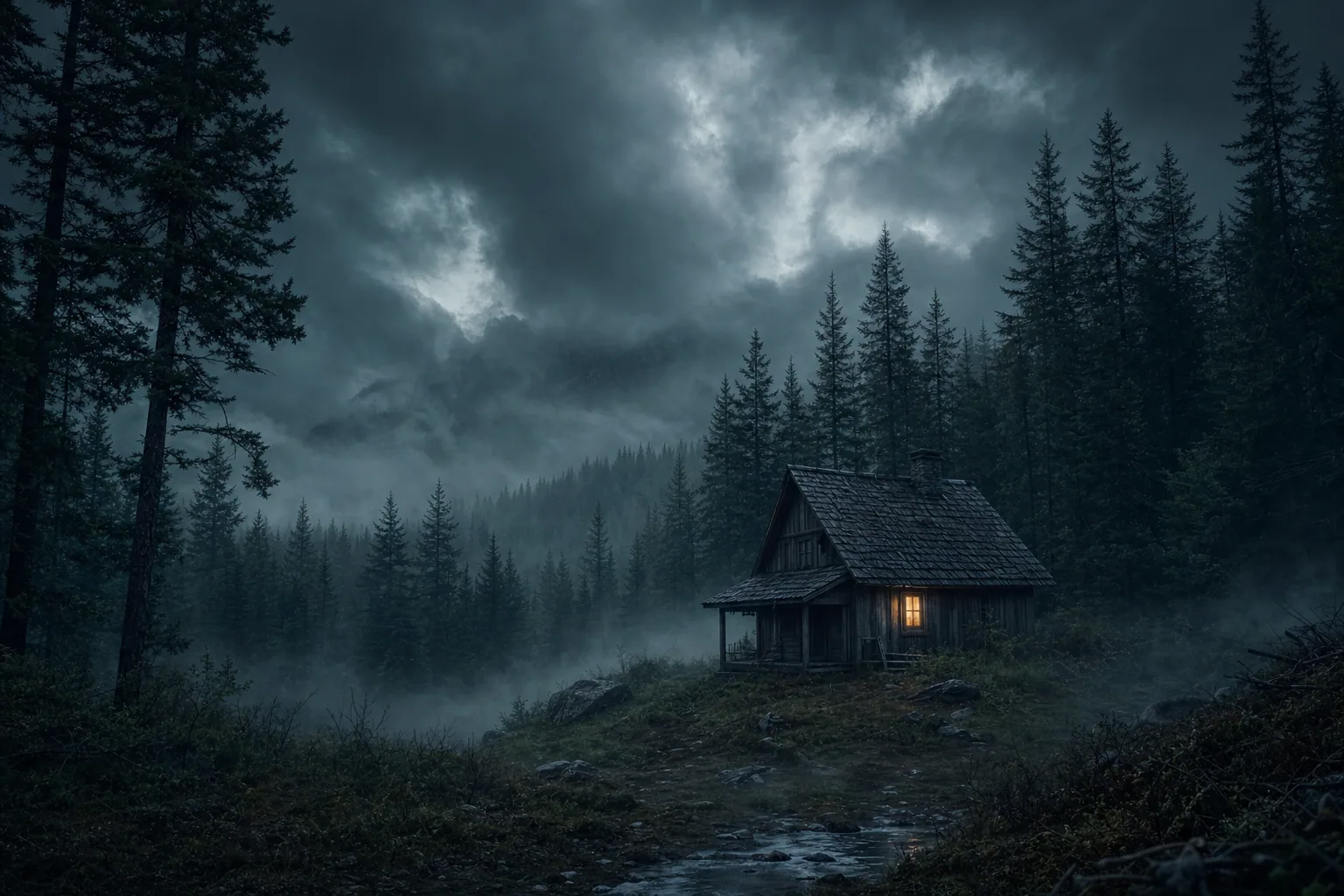
Isolated setting thrillers have a unique power to grip readers. When characters are cut off from help, trapped in remote locations, and forced to confront danger with limited escape options, the tension becomes almost unbearable. This genre subgenre taps into primal fears about isolation, vulnerability, and the unknown.
What makes isolated thrillers so effective is their ability to strip away distractions. There are no authorities to call, no crowds to disappear into, and nowhere to run. Every sound matters. Every shadow could hide a threat. The setting itself becomes a character, working against the protagonists and amplifying every moment of suspense.
Why Remote Locations Amplify Fear
Isolated settings create natural story constraints that force tension. When characters are separated from civilization, they cannot rely on quick rescue or outside intervention. A flat tire in the city is an inconvenience. A flat tire in the deep woods becomes a potential death sentence.
Remote locations also strip away modern comforts and safety nets. Cell phones may not work. Help is hours away. The psychological weight of isolation affects characters differently than urban danger ever could. They must rely on themselves, on each other, and on their wits. This vulnerability makes readers care deeply about survival.
The natural world itself becomes threatening. What seems peaceful during the day transforms into something sinister under darkness. Wildlife, weather, and terrain all become obstacles. Readers understand that the setting is not inherently evil, but it is indifferent to human suffering. That indifference is terrifying.
The Psychology of Being Trapped
Thriller writers know that physical isolation creates psychological pressure. When characters cannot leave, their mental state deteriorates. Paranoia sets in. Trust breaks down. Small disagreements become major conflicts. The group dynamic itself becomes a threat as tensions rise.
Isolated thrillers often explore how people behave when consequences disappear. Without law enforcement or witnesses, what do characters do? How far will they go to survive? These moral questions transform a simple survival story into something profound.
The best isolated thrillers also play with unreliable information. Trapped characters may not know what is actually happening. They rely on incomplete details, rumor, and fear. Readers know just as much as the characters do, creating shared vulnerability. The mystery of what is actually out there becomes as important as the danger itself.
Classic Elements of Isolation Thrillers
Successful isolated thrillers share certain ingredients:
- A group of characters with conflicting personalities and goals, forcing internal conflict alongside external threat
- A location that makes escape impossible or extremely difficult, whether through geography, weather, or circumstance
- An escalating sense of danger that grows more personal and immediate as the story progresses
- Limited information about the true nature of the threat, keeping readers uncertain
- Moral dilemmas that force characters to make impossible choices
- Physical and emotional exhaustion that clouds judgment and increases mistakes
The isolation itself must feel earned and realistic. Readers will accept a blizzard trapping characters on a mountain. They will accept a boat breaking down miles from shore. They struggle with contrived reasons why characters cannot simply leave. The setting must force isolation naturally, as a consequence of the situation rather than authorial convenience.
How Setting Becomes a Character
In the most effective isolated thrillers, the location is more than a backdrop. It has its own demands and dangers. A cabin in the woods must have creaking floorboards, limited supplies, and the ever-present sounds of the forest outside. A remote island demands awareness of tides, weather, and distance from help.
Readers should feel the isolation physically. They should understand the cold, the hunger, the fear of darkness, the weight of confinement. Sensory details make isolated settings feel real and threatening. When characters are exhausted, hungry, and terrified, readers experience those sensations alongside them.
The natural world can be beautiful and dangerous simultaneously. Readers do not need settings to be ugly or barren. Instead, the contrast between natural beauty and lurking danger creates unsettling tension. A beautiful cabin in the woods is still a trap if characters cannot leave.
Modern Takes on the Isolation Thriller
Contemporary thriller writers continue to innovate with isolated settings. Some place characters in wilderness locations far from civilization. Others trap characters in confined spaces like cabins, bunkers, or boats. The best modern isolation thrillers combine external threats with internal character conflict.
Ghost in the Cabin exemplifies this approach. Four friends seeking a vacation travel to the woods of West Virginia, where they discover themselves in a mystery that threatens to consume them. The story asks a fundamental question: when silence comes alive, what happens to people trapped with danger they cannot name or escape?
This type of thriller works because it respects reader intelligence. It does not explain everything immediately. It lets mystery and fear build naturally. Characters must act with incomplete information, just as readers must piece together what is happening.
Creating Believable Tension in Confined Settings
Writers who excel at isolated thrillers understand pacing. The tension cannot be constant, or readers become numb. Instead, moments of relative quiet build dread. Small incidents escalate into larger threats. Character moments of vulnerability shift the dynamic.
Dialogue becomes crucial in isolated settings. Characters trapped together must talk, argue, comfort, and suspect each other. Conversations reveal personality, expose secrets, and drive conflict. The reader learns about characters through how they handle stress and isolation.
And physical details matter tremendously. A door that locks from the outside. Scratches on the window frame. Missing supplies. Footprints in the snow. These concrete details ground the story in reality. They convince readers that the danger is genuine and immediate.
Why Readers Crave These Stories
Isolated thrillers appeal to readers who enjoy high stakes and meaningful character development. These stories force people into extreme situations where personality, intelligence, and resilience determine survival. Readers watch characters grow, break, sacrifice, and sometimes fail.
The genre also satisfies curiosity about human nature. How do people behave when normal rules disappear? What moral compromises will someone make to survive? These questions fascinate readers and create memorable stories that resonate long after the final page.
If you love gripping thrillers that combine suspense with deep character work and immersive settings, R.W. Dove's collection of genre fiction offers stories designed to resonate. From supernatural mysteries to fantasy adventures that test characters in extreme isolation, there are worlds waiting to pull you in. Explore the books and find your next unforgettable read.