
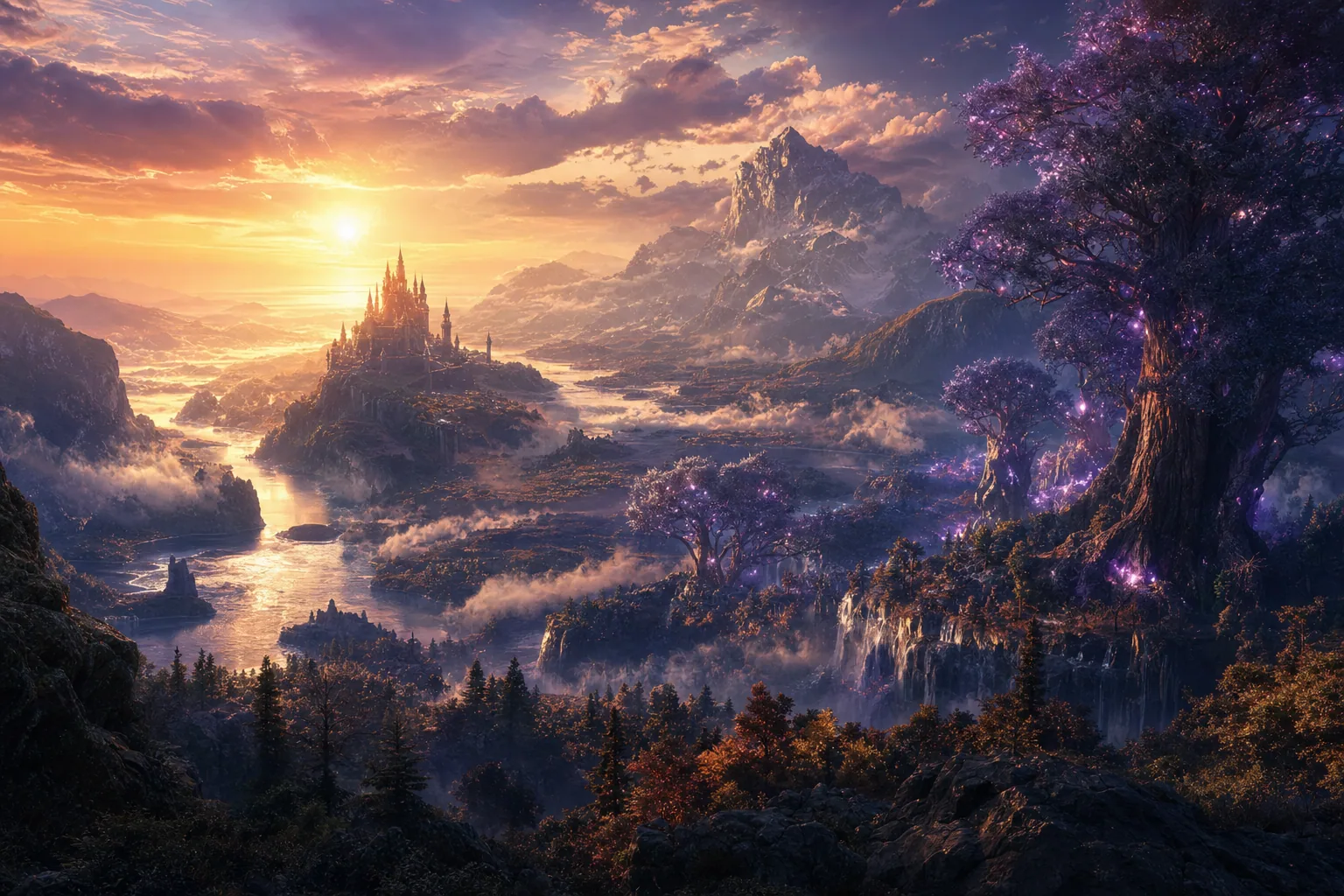
Building a fantasy world is one of the most rewarding parts of writing speculative fiction. Whether you're crafting an epic saga or a standalone novel, the quality of your world directly impacts how deeply readers connect with your story. The difference between a forgettable fantasy novel and one that readers return to again and again often comes down to one thing: immersive worldbuilding.
The best fantasy worlds feel alive. They have history, rules, geography, and culture that make sense together. Readers should feel like they could step into your world and navigate it without your constant explanation. This article walks you through the essential elements of creating truly immersive fantasy worlds that will keep your readers turning pages.
Start with the Fundamental Rules
Every fantasy world operates under a set of rules. Magic systems, physics, technology levels, and the laws of nature itself shape how your world works. Before you write a single scene, decide what is possible in your setting and what is forbidden.
Does magic exist, and if so, how does it work? Can anyone use it, or only a select few? What are the costs and limits? These questions aren't just mechanical details. They define the entire structure of your society, the conflicts your characters face, and the stakes of your plot.
When worldbuilding rules are consistent and clear, readers never feel cheated. They trust you. They know that if you establish a rule, you'll honor it. This trust is essential for immersion. A reader pulled out of your world by a logic break can't be pulled back in as easily.
Layer in History and Consequence
Worlds feel real when they have depth of time behind them. Think about the history of your setting. What major events shaped it? Who were the great figures of the past? What ruins or monuments still stand as reminders of what came before?
History doesn't have to be sprawling or encyclopedic. You don't need a thousand-year timeline for every region. What matters is that your world shows the marks of time. A crumbling temple. A festival that celebrates an ancient victory. A feud between families rooted in something that happened generations ago. These touches make your setting feel lived-in.
The best fantasy worldbuilding integrates history into the present. Your characters inherit consequences from what came before. Decisions made by previous generations ripple forward. This creates narrative depth and makes your world feel like it exists independently of your protagonist's journey.
Build Geography with Purpose
Your world's physical layout matters more than you might think. Mountains aren't just pretty obstacles. They isolate civilizations, creating distinct cultures and languages. Rivers are trade routes. Deserts are barriers. Forests hide secrets.
When you place your settings intentionally, everything else becomes easier. Why is there a kingdom here? Because of access to water and defensible terrain. Why is there conflict between two regions? Perhaps they're competing for the same resources or separated by impassable geography that creates misunderstanding and fear.
Consider how your characters move through space. If they travel from point A to point B, what do they encounter? What changes as they move from one region to another? Varied landscapes and cultures make journeys feel real and give your story natural pacing breaks and opportunities for world revelation.
Create Cultures with Internal Logic
A fantasy worldbuilding guide isn't complete without addressing culture. The people who inhabit your world should feel distinct from one another. Their values, beliefs, foods, clothing, and traditions should reflect their environment and history.
If a civilization lives in the mountains, their architecture and culture will differ from one in the plains. Religious beliefs might vary. Trade relationships create connections and tensions. Language differences add authenticity. None of this needs pages of exposition. A few specific, sensory details about how people live can convey an entire culture.
Make sure your cultures feel internally consistent. What do people in this region value? How do they organize themselves? What do they fear? What do they celebrate? When readers sense this coherence, they believe in your world.
How to Build a Fantasy World Without Info-Dumping
One of the biggest mistakes in fantasy writing is stopping the story to explain the world. Readers don't want a lecture on your magic system or a history lesson. They want to experience the world through your characters' eyes.
The best fantasy worldbuilding is revealed gradually through action and dialogue:
- Have characters interact with the world naturally, using its features as part of the plot
- Introduce unfamiliar elements only when your characters encounter them
- Let readers discover rules and history alongside your protagonist
- Use dialogue between characters who already know your world to drop details naturally
- Trust your reader to fill in gaps and feel smart doing it
When your character steps through a magical gate, we don't need a paragraph explaining the gate's history. We need to see their reaction and experience the moment with them. The world reveals itself through consequence and discovery, not summary.
Polish with Specific, Sensory Details
Immersive fantasy worldbuilding doesn't require exhaustive description. It requires the right details. Sensory specifics make fantasy feel real. What does the air smell like in different regions? What sounds fill the streets of your capital city? What textures do your characters encounter?
These details don't have to be lengthy. A single vivid image can ground an entire scene. The sound of wind through ruins. The taste of salt in coastal air. The weight of armor. The smell of cooking fires. When readers experience your world through senses beyond sight, they inhabit it more fully.
Specific details also help you avoid generic fantasy settings. There are countless forests and castles in fantasy fiction. What makes yours different? What specific, memorable qualities distinguish your world from the endless parade of similar settings?
Start Building Your World Today
Creating an immersive fantasy world is a process of layering decisions. Start with your fundamental rules, add history and geography, populate it with distinct cultures, and reveal it to readers through action and specific sensory details. The goal is never to impress readers with how much you've planned. The goal is to create a setting so vivid and coherent that readers forget they're reading at all.
The worlds that captivate us aren't the ones with the most complex magic systems or the longest histories. They're the ones we want to return to, the ones we feel we could navigate ourselves, the ones that feel as real as the one we live in. That's the standard worth reaching for.
If you're looking for inspiration on how immersive worldbuilding brings stories to life, explore the fantasy works of award-winning authors who excel at this craft. Their approaches to character development and world creation can guide your own writing journey.