
Author visits are one of the most memorable experiences a school can offer its students. Hearing a real writer talk about the craft of storytelling, the journey of getting published, and the ideas behind beloved characters can spark a love of reading that lasts a lifetime. If you are a librarian, teacher, or school administrator wondering how to make it happen, this guide walks you through the full process.
Why Author Visits Matter
Books can open doors, but meeting the person who wrote them makes those doors feel real. Students who struggle to connect with reading often respond differently when a human being stands in front of them and explains where the story came from. A great author visit does several things at once:
- It ties reading and writing to real careers and real passion.
- It gives students permission to ask questions they would never ask a textbook.
- It creates a shared experience that teachers can build lessons around for weeks.
- It brings the school community together around a common story or theme.
For schools focused on literacy goals, an author appearance is one of the most cost-effective ways to generate genuine enthusiasm for books.
Choosing the Right Author for Your Students
The first step is matching the author to your audience. Think about the age range of the students who will attend, the genres they already enjoy, and the themes you want to explore as a school.
For example, R.W. Dove is an award-winning author based in Utah who writes across fantasy, romance, and thriller genres. The 'Gods and Guardians' series, which has drawn comparisons to 'The Lord of the Rings' and 'Harry Potter', is a natural fit for middle and high school readers who love epic adventure, high-stakes storytelling, and vivid world-building. With recognition including the 2024 International Impact Award for Science Fiction and Fantasy and a Literary Titan five-star review, R.W. Dove brings credible, celebrated work to the conversation.
When evaluating any author, ask these questions:
- Does the author write books your students have read or could read before the visit?
- Is the tone and content appropriate for your grade levels?
- Does the author have experience speaking to student audiences?
- Are their books available through major retailers so students can purchase copies easily?
How to Make the Initial Contact
Once you have identified an author whose work fits your school, reaching out is straightforward. Most authors or their representatives accept inquiries by email. When you write your first message, be specific and professional. Include the following details:
- The name and location of your school.
- The grade levels or age groups that would attend.
- The type of event you have in mind, such as an assembly, a classroom visit, a library reading, or a literary panel.
- Your preferred dates or a general time window.
- A brief note about why this particular author's work is a good fit for your students.
For R.W. Dove, booking inquiries can be sent to Epicbookpromoters@gmail.com. The response time listed on the website is within 24 to 48 hours, and the author is available for events nationwide, including book signings, author readings, literary panels, school visits, and library events.
Being clear and organized in your first email makes it much easier for the author or their team to say yes.
Planning the Event Itself
Once you have confirmed the visit, the real work begins. A well-planned event makes a huge difference in how students receive it.
Prepare Students in Advance
If possible, have students read at least one of the author's books or a selection from it before the visit. For a fantasy series like 'Gods and Guardians', students could read a chapter together as a class activity. Encourage them to write down questions they genuinely want to ask.
Set Up the Space Thoughtfully
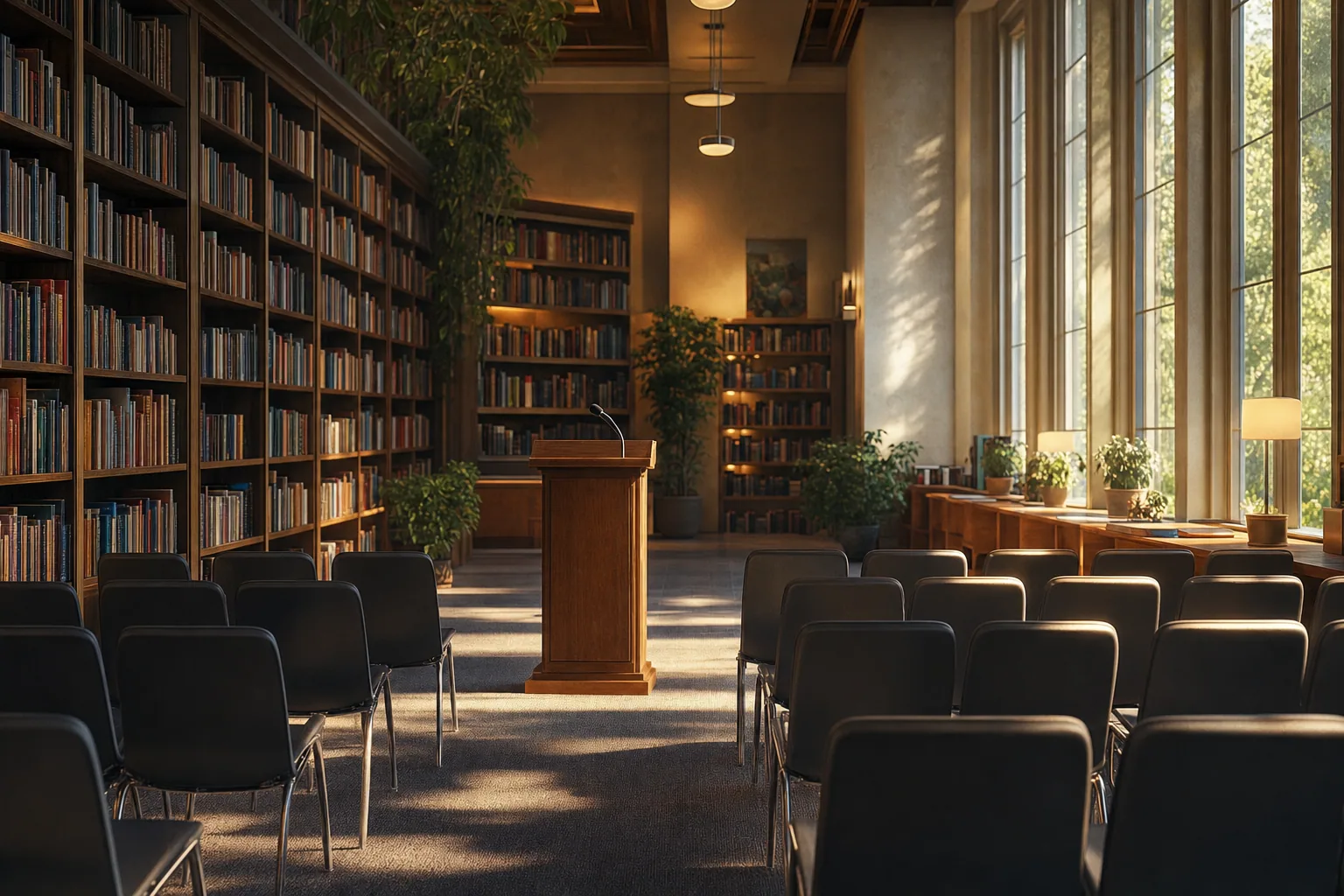
Choose a venue that fits the audience size and feels special. A library or auditorium works well. Arrange seating so students can see and hear clearly. If the author will be signing books, set up a dedicated table and allow enough time after the presentation.
Coordinate Book Sales or Pre-Orders
Many schools partner with a local bookstore or use an online retailer like Amazon to offer books for purchase in advance. Students who have their own copy to get signed tend to engage more deeply with the visit.
Brief the Author on Your Audience
Share any relevant details before the visit, such as the age range of students, any themes you have been exploring in class, or questions students have already submitted. This helps the author tailor their presentation.
Budget and Logistics to Consider
Author visits do involve planning costs. Common expenses include the author's appearance fee, travel and accommodation if the author is coming from out of state, and book purchases for giveaways or prizes. Some schools offset these costs through parent-teacher organizations, reading grants, or local business sponsorships.
Ask the author or their representative early on what the fee structure looks like and whether there are package options. R.W. Dove's website notes that booking multiple events comes with exclusive signed copies and promotional materials for attendees, which can add real value for schools that want to go further than a single visit.
After the Visit
The impact of an author visit does not have to end when the author leaves. Follow-up activities keep the momentum going:
- Have students write reflections or creative pieces inspired by what they heard.
- Display photos from the event in the library or hallway.
- Share a recap on the school's website or newsletter.
- Start a book club around the author's work.
- Leave a review on the author's Amazon page to support their work.
A thoughtful follow-up also makes it easier to bring an author back in the future or to get a strong referral when reaching out to another writer.
If you are ready to bring a storyteller to your school who creates immersive worlds, award-winning characters, and stories that speak to readers of every age, R.W. Dove is available for school visits nationwide. Reach out through rwdove.com to start the conversation and give your students an experience they will remember long after the final bell rings.