
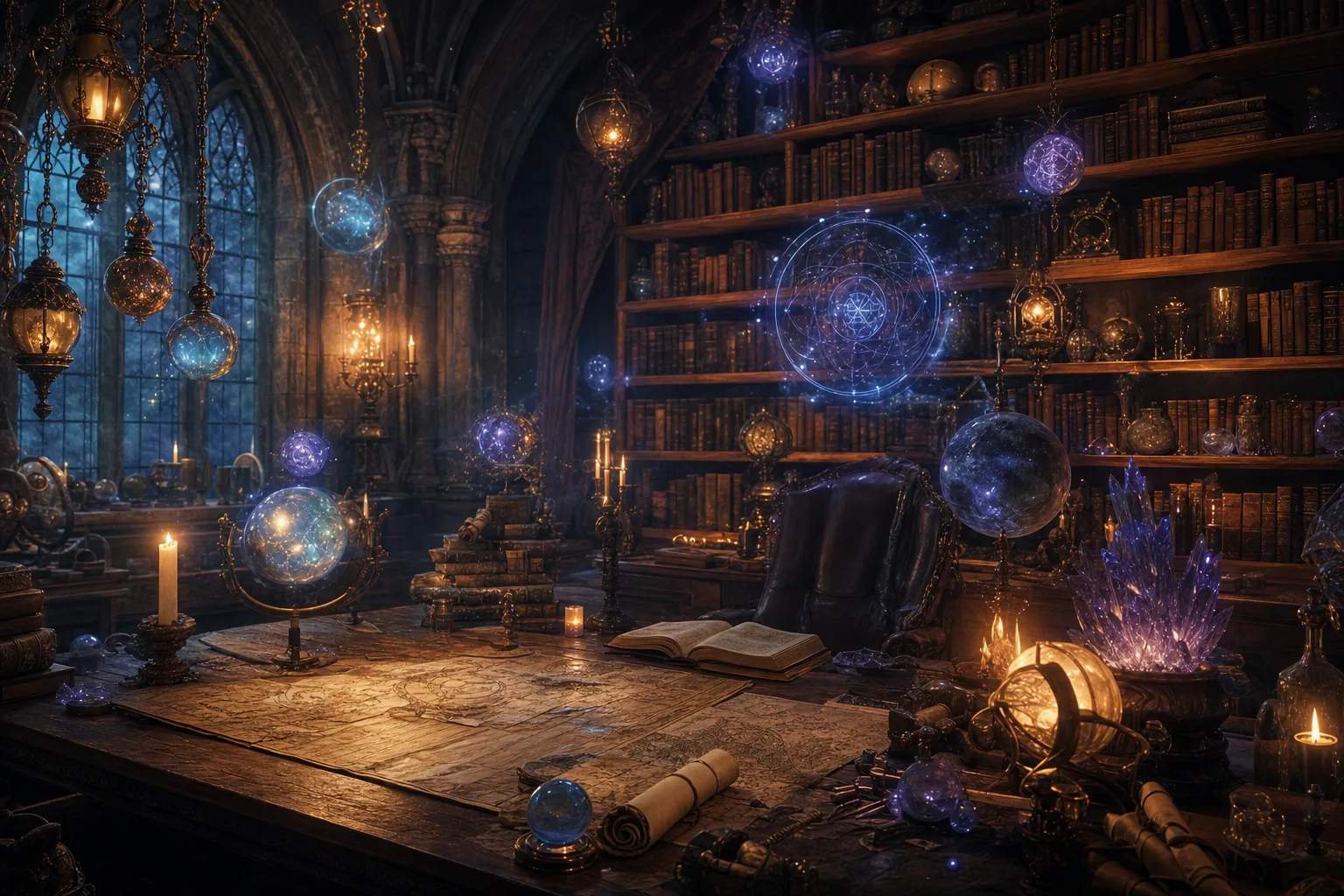
Creating a magic system that readers believe in is one of the biggest challenges in fantasy writing. Readers suspend disbelief when they enter your world, but that trust is fragile. A magic system that feels arbitrary or breaks its own rules will snap readers right back to reality. The best fantasy authors ground their magic in internal logic, consistency, and clear limitations that make even the impossible feel inevitable.
R.W. Dove's 'Gods and Guardians' series demonstrates this principle beautifully. The sci-fi fantasy adventure following Arthur and his friends through the Plains of Amar showcases how to weave magic seamlessly into world-building and character development. When readers journey through these pages, the magic never feels like a convenient plot device. Instead, it emerges from the world itself.
Establish Clear Rules and Limitations
The foundation of any believable magic system is constraint. Unlimited magic creates unlimited problems for your story. When magic can do anything, there are no stakes, no tension, and no meaningful character choices.
Start by asking yourself these questions:
- What can magic do and what can it not do?
- What does magic cost the person who uses it?
- Are there certain materials, words, gestures, or conditions required?
- Can magic be learned, or is it innate?
- What happens if someone breaks the rules of magic?
These boundaries give your magic weight. A character who knows that casting a spell will drain their life force makes different choices than one with unlimited magical energy. A healing spell that only works on wounds inflicted in the past day is more interesting than one that can resurrect the dead. Limitations force your characters to problem-solve creatively.
Ground Magic in Your World's History and Culture
Magic does not exist in a vacuum. It shapes society, religion, economics, and daily life. In epic fantasy comparable to 'The Lord of the Rings' or 'Harry Potter', magic is woven into the fabric of civilization.
Consider how magic influences your world:
- Do mages hold political power or are they feared and isolated?
- What do ordinary people believe about magic? Is it sacred, profane, or mundane?
- Are there magical academies, guilds, or institutions that teach and regulate magic?
- How do magical artifacts become part of your culture's history?
- What taboos exist around certain types of magic?
When magic has historical weight and cultural significance, readers feel its authenticity. A spell is more believable when it exists within traditions stretching back generations, when it carries cultural meaning, and when it reflects the values of the people who use it.
Connect Magic to Character
The most memorable magic systems are inseparable from character development. Magic should reveal who your characters are and what they value.
This means:
- Different characters should have different relationships with magic based on their background and personality
- A character's magical abilities or limitations should create internal conflict
- Learning or mastering magic should parallel emotional growth
- The cost of magic should force characters to make meaningful sacrifices
When readers understand why a character uses magic the way they do, the magic feels personal. It is not just a tool in the toolbox. It is an extension of their identity.
Show Magic Through Sensory Detail
Magic systems live or die by description. Vague magic feels fake. Specific, sensory descriptions make magic tangible.
Instead of writing "a magical light appeared," describe it:
- What color is the light? Does it flicker or glow steady?
- Does it feel warm or cold?
- Does it smell like anything? Smoke, copper, ozone?
- How do characters react physically to it?
- What does it sound like? Does magic ever make noise?
Sensory details anchor magic in reality. When you describe the smell of sulfur after a spell or the tingle of magical energy on skin, readers can feel the magic happening. This is especially true in character-driven narratives where emotional resonance matters as much as plot.
Build Internal Logic You Never Break
Consistency is non-negotiable. If you establish that magic requires a full moon, your characters cannot cast spells under a cloudy sky just because the plot needs them to. If you say a spell takes ten minutes to cast, you cannot have a character cast it instantly in the climax without explanation.
Track your magical rules. Write them down. When you are editing, fact-check yourself against those rules. Your readers will notice inconsistencies far faster than you would expect. One broken rule undermines reader trust in your entire world.
This does not mean your magic system cannot evolve as your story unfolds. Discovery is fine. A character can learn that magic is more powerful or more flexible than they thought. But these discoveries should feel earned, not like the author changed the rules to get out of a jam.
Test Your System Against Your Plot
A brilliant magic system that does not serve your story is wasted effort. Test your magic against the key moments of your narrative.
Ask yourself:
- Does this magic system create the conflicts I need?
- Does it prevent my characters from solving problems too easily?
- Do the limitations force interesting choices?
- Would the story break if I removed magic entirely, or does it drive the plot?
If magic feels optional to your story, it probably needs reworking. Strong magic systems are integral. They create problems, complicate solutions, and shape how your characters think and act.
Common Mistakes to Avoid
Magic systems often fail because of a few predictable pitfalls. Avoid these and your world will feel more believable:
Under-explaining the system. Readers do not need a manual, but they need enough information to understand how magic works in your world.
Making magic too easy. If there is no cost and no difficulty, magic is not interesting. Power without struggle is boring.
Forgetting about secondary effects. Magic that affects the world in only one way is unrealistic. Healing magic would reshape medicine, economics, and social structure.
Inconsistent terminology. Call your magic system by the same names. If you switch between "spells" and "incantations" without distinction, readers get confused.
Ignoring scale. A magic system designed for one person casting spells in a cottage behaves differently than magic used by armies. Think through what happens when magic scales up.
The award-winning fantasy stories that resonate across generations share one quality: magic systems that feel real. They have rules, they have costs, and they drive the story forward. When you build magic with this intentionality, readers will believe in your world and trust your characters to navigate it.
If you are looking for examples of immersive world-building and character development done right, explore the 'Gods and Guardians' series and other award-winning fantasy, romance, and thriller books that showcase these principles in action. Great storytelling comes from respecting your world and respecting your reader's intelligence.